
The ENACTUS Way to Thrive: Session IV: Building Better Solutions: Feedback, Resilience and Next Steps
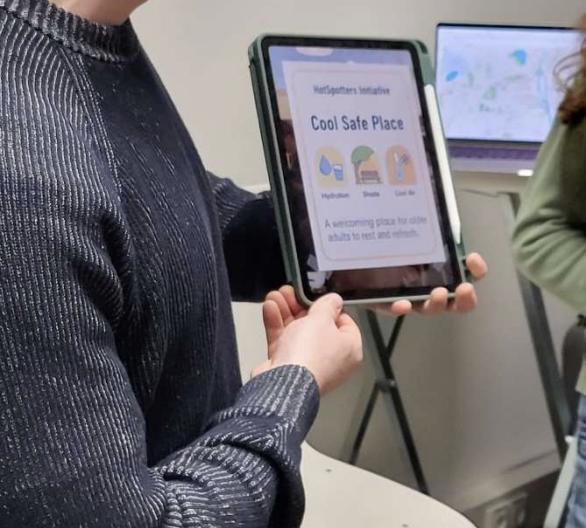
Obias, Michael, Wanja, Ellaine, Ghaith (HotSpotters  )
)
Lessons from Shiramine
Reflections on an internship at a mountain village in Japan
In the summer of 2025, I experienced one of the most meaningful learning journeys of my life.
For one week, I lived and worked in Shiramine, a small mountain village near Kanazawa, Japan. With a clear river flowing through the village and Mount Hakusan rising quietly behind it, Shiramine felt unreal at times, like a place lifted straight out of a Studio Ghibli film. It was peaceful, beautiful, and deeply alive.
I came to Shiramine as part of my research internship on how people perceive and value the landscapes they call home. My interest lies in sustainability, but not in the way it is usually discussed through indicators, models, or definitions. I wanted to understand what sustainability means to people in their everyday lives; what they cherish, remember, and protect, often without naming it as "sustainability" at all.
To do this, I brought with me 33 photographs of landscapes, buildings, and everyday scenes from Shiramine. I asked residents to look through the photos and sort the ones they loved or valued most at the top. There were no right or wrong answers. What mattered were the stories that followed: memories of childhood, seasonal changes, lost traditions, and quiet pride in the place they call home.
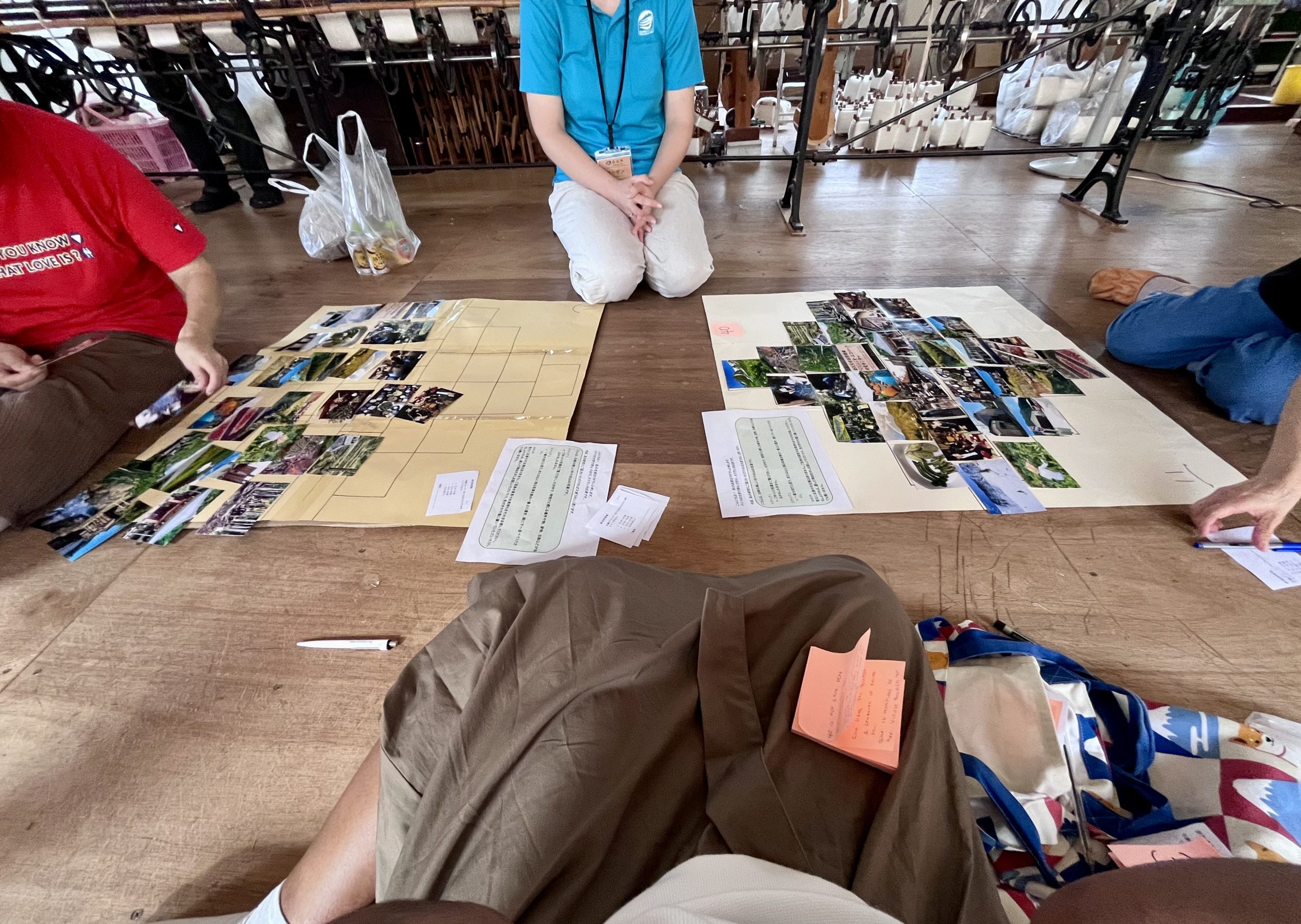
Arriving in Shiramine.....
My journey to Shiramine began in Hamburg. After nearly a full day of travel, I arrived in Japan and made my way to Kanazawa, where my hosting institution, Kanazawa University (KU) is located. I spent two weeks there preparing for the fieldwork. During this time, I received close guidance from my supervisor at KU and my advisor from the Hakusan Geopark, who also supported me with translation throughout my stay.
These conversations that I had with them were not just about research design; they became guided reflections on my positionality. As a student, much of my understanding of sustainability comes from Western academic exposure. Recognising this helped me become more open-minded and aware of the perspectives I carry with me into the field. As someone deeply interested in transdisciplinary research, I learned how important it is to reflect on what I know, what I don't know, and the beliefs and assumptions that shape my thinking.
In Shiramine...
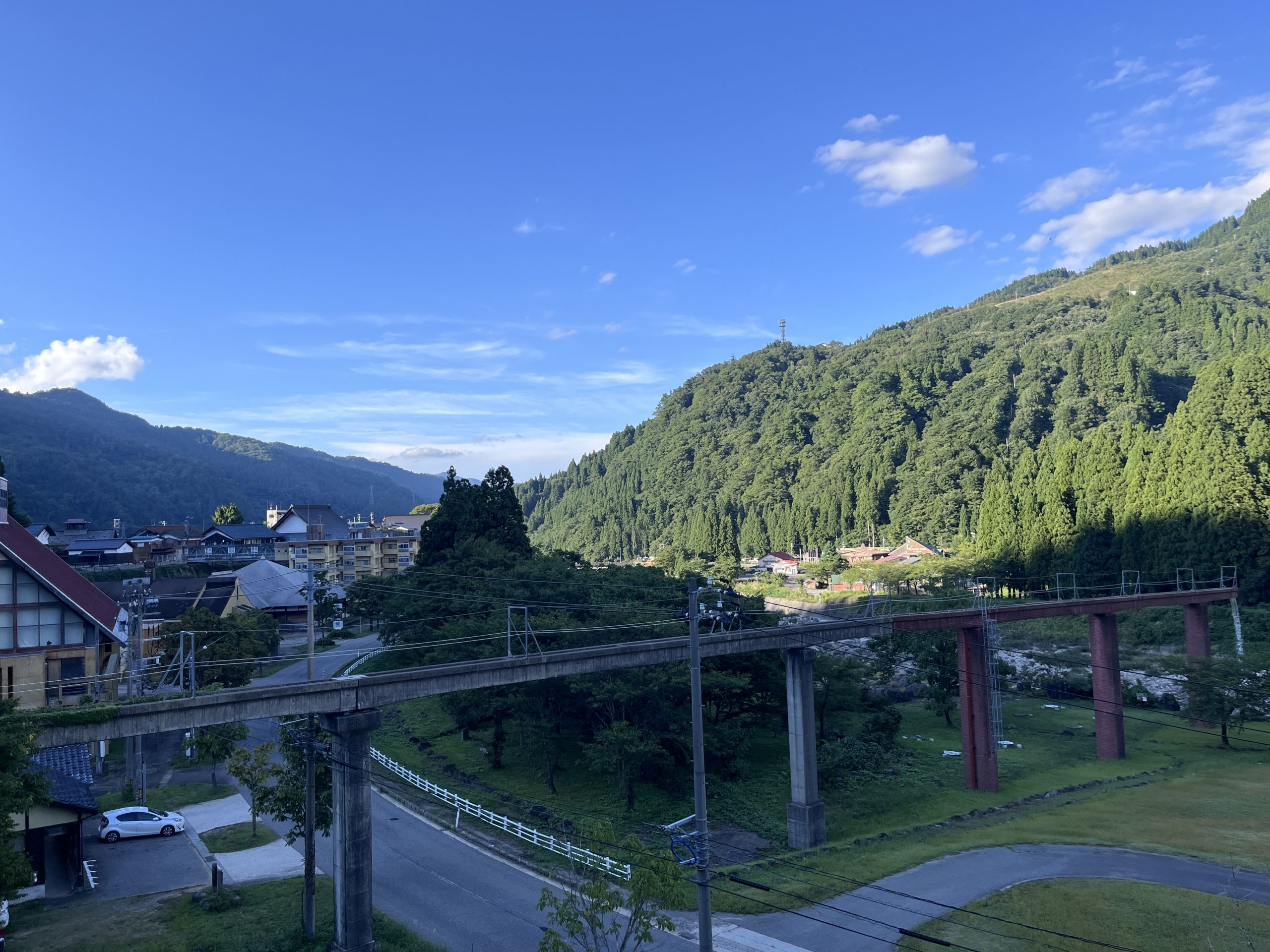
The journey from Kanazawa to Shiramine took me 1.5 hours, and it was one of the most beautiful journeys I have ever taken. The bus ride winds its way through mountain roads, passing forests, rivers, and deep valleys. When I stepped off the bus, the sound of snowmelt water rushing through the village filled the air. It cooled the fierce Japanese summer and immediately grounded me in the rhythms of the place.
Shiramine is home to around 700 residents, most of them senior citizens. I'll admit, I didn't expect much activity in such a small village. I couldn't have been more wrong.
From the very beginning, my encounters with the villagers were warm and generous. I arrived as a stranger, yet people always returned my greetings and often asked whether I had eaten. I soon became known around the village as the " 大学生 " (daigakusei), meaning "the university student". It was through these small, everyday gestures that I felt their generosity and openness in sharing life.
During the post-sorting interviews, I asked them how they actually felt about visitors coming to Shiramine for hiking, research, or to enjoy the onsen (hot spring). One response stayed with me:
"By preserving our culture, tourism is born. That tourism then boosts the economy and helps us sustain our way of life." (Shiramine Nature School, staff).
This perspective was new to me; rather than seeing tourism as a threat, many residents viewed cultural preservation as its foundation. Several residents also emphasised the role of educational activities in preserving and sharing culture and traditions. Through the Man and the Biosphere Reserve programme, Kanazawa University brings students to Shiramine for on-site learning. This creates a meaningful exchange where villagers share their culture and way of life, finding encouragement to continue safeguarding traditions rooted in the surrounding mountains, forests, and rivers.
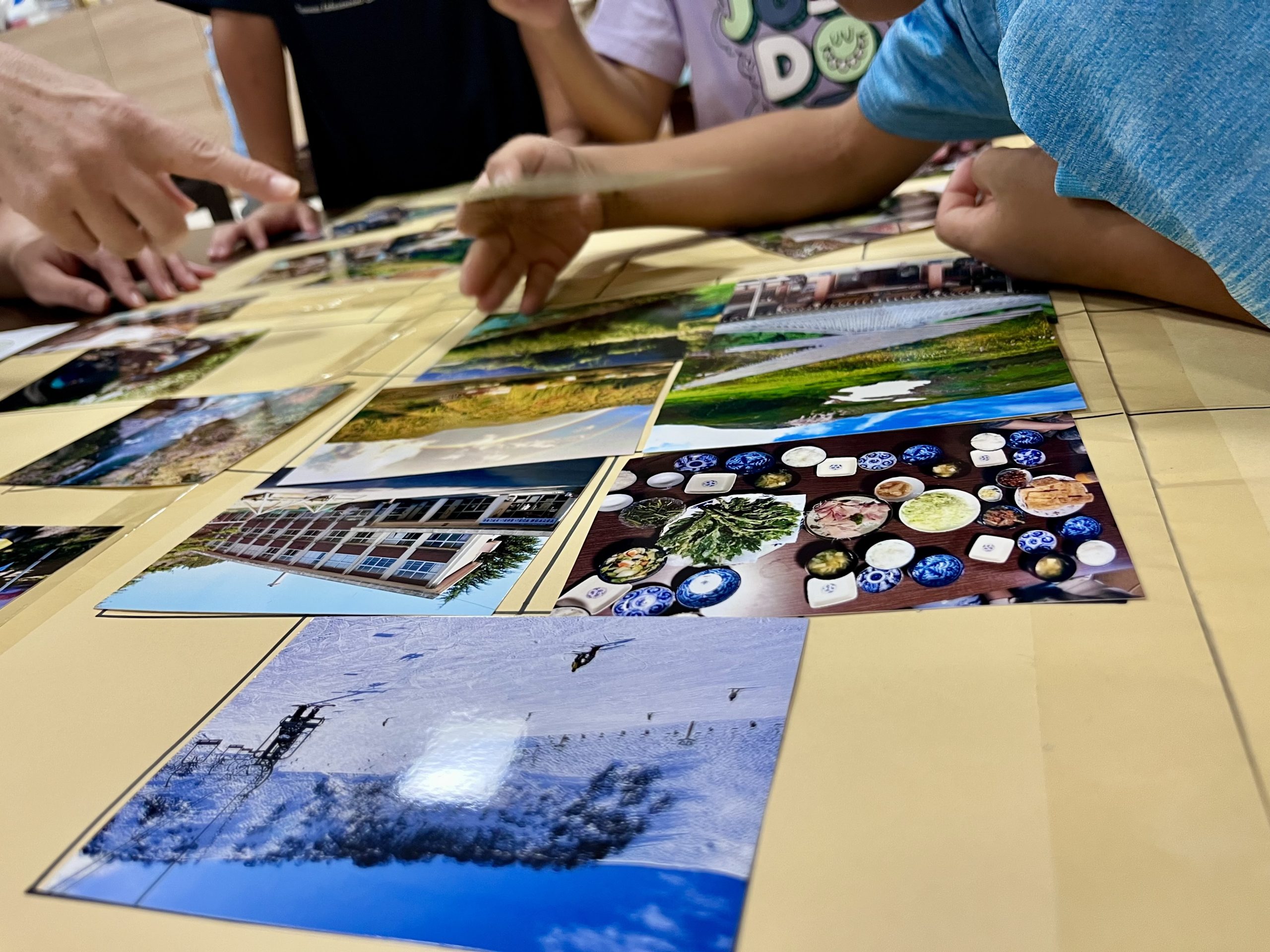
As the villagers looked through the photographs, many were taken back to the memories of their parents and childhood. This was especially evident when they spoke about the ceremonial meals that once required collecting vegetables throughout the year; a practice no longer possible because there is no one left to gather them. Others pointed out traditional farming practices like slash and burn, and wasabi are slowly disappearing due to the ongoing challenge of depopulation.
Despite these changes, I was deeply touched by the strong sense of community in Shiramine. As people moved through the photographs, most of them made connections to places through their relationships with one another and acknowledged the important role each one is playing in keeping the village resilient. For instance, a comment about the small local supermarket, which is also the place where traditional hard tofu is still made. The shop is run by a woman who is now a grandmother. One villager shared:
"I am so thankful that she is still running the shop and preserving the traditional tofu-making."
I could see how traditions were still being carried forward in quiet, everyday ways. In the chestnut shop, in the still-running Shiramine silk factory, in mountain herbal teas, in the continued making of hard tofu together with everyone who chose to stay. The Shiramine Nature School reflected this same spirit, welcoming locals and visitors to learn what it means to live with nature. And each winter, the village-led snow festival brings this positive spirit together.
Together, the people, the mountains, and shared values have shaped a beautiful way of living. Many spoke of lessons learned from their ancestors, values that remain vivid in their memories and are generously shared with anyone willing to listen. As one villager over sixty told me:
"My grandfather always told me, we are able to live because of this mountain, and never forget this"
In the same way, they view early childhood education in the village as a means to build core childhood memories connected to the place. This is why they strongly advocate for protecting the primary school, which now faces the threat of closure, seeing it as essential to preserving both community and culture.
In a rapidly changing globalised world, Shiramine teaches the lesson in resilience. Embracing the changes without letting go of its own identity, it strives to sustain while generously sharing life with others. Shiramine's position as part of both the designated biosphere reserve and the geoparks holds an enormous potential as a living classroom for sustainability.
On my way back....
On my last day in the village, after an early visit to the onsen, I took the bus back to Kanazawa. As the mountains and rivers passed by, everything I learned there began to sink in, one by one. My biggest takeaway is that, while sustainability issues are often described as complex and wicked, the solutions and the adaptations can be as beautiful, rooted in community, memory, care, deep respect for the land and diversity of knowledge.
I will carry these lessons far beyond the mountains and the river of this village as an encouragement and motivation to pursue my interest in sustainability and transdisciplinarity.








1. Hi, who are you actually?
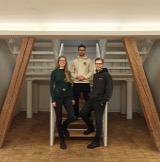
We are Male and Ylva from SCHLAU Lüneburg eV. The SCHLAU Lüneburg association is the local school education project on the topics of sexual orientation and gender diversity under the umbrella of the SCHLAU Lower Saxony network.
2. How do you get to the SCHub?
We know SCHub from the Social Startup Circus, where we shot a short video.
3. Can you give us three indications that show you that your company is making the world a little bit better?
The students’ reactions and aha moments in the workshops. The feedback from the students and teachers.
4. How can students support you in your mission?
To strengthen our team in Lüneburg, we are looking for young people interested in voluntary anti-discrimination and educational work!
You don’t need any pedagogical training, as all new facilitators are well prepared before going to schools to give workshops with our team of queer, non-binary, asexual, lesbian, gay, bi, and trans people.
Feel free to visit us on Facebook or Instagram for regular updates on our work!
1. Hi, who are you actually?
My name is Malte, and I founded Goldeimer almost 10 years ago with some friends and fellow students . I studied geography in Kiel, used to be a DHL courier in Lüneburg, and at Goldeimer, I primarily focus on communications, strategy, and corporate development.
2. How do you get to the SCHub?
I remember SCHub Lüneburg from my student days. Back then, I had many friends at Leuphana University who, among other things, co-organized the lunatic festival. I’ve participated in various SCHub events in the past, mostly sharing my experiences with a social enterprise.
3. Can you give us three indications that show that your company is making the world a little bit better?
With Goldeimer, we are advocating for an upgrade to the fertilizer regulations that will allow human feces to be used in soil-based agriculture again. To achieve this, we set safety and quality standards and provide the research results necessary to make this possible. As a non-profit organization, we have set ourselves the goal of providing people worldwide with access to toilets – over 800 million people don’t have a toilet. Furthermore, we want to transform the economy; to this end, we have transformed Goldeimer into a steward-owned company: we are not for sale, profits must always be reinvested in our mission, and decisions are never made by external shareholders, but always by the team. All three good reasons to get up in the morning and make a difference.
4. How can students support you in your mission?
We’re always looking for paid and volunteer support for our festival summer. Due to the location of our biomass farm near Lüneburg, we also welcome applications from working students between May and September. So please get in touch if you’re interested in getting a taste of the Goldeimer atmosphere.
1. Hi, who are you actually?
My name is Helge Inselmann, and I work for Sozialheld*innen in Berlin. My main focus is on Wheelmap, an online map of wheelchair-accessible places.
2. How do you get to the SCHub?
Through my bachelor’s degree at Leuphana and the founding of an initiative, I’d been familiar with the SCHub Camp for some time. Therefore, I was delighted to be invited as a guest at the HEY series.
3. Can you give us three reasons why you believe your organization is making the world a better place?
A quick disclaimer: I did not found the organization I work for.
1. Based on data. Wheelmap users around the world are collecting data on wheelchair accessibility. Currently, we can display information on 3.2 million locations, with approximately 300 added every day. This information helps people plan their day better. For example, can I get to the café where I want to meet my friends this afternoon in a wheelchair?
2. When major media outlets pick up on our topics, or when colleagues are interviewed on Tagesthemen, for example. Through the Wheelmap, but especially through our many other projects, we raise awareness and visibility, among other things.
3. When we are recognized as experts by various institutions and can accompany them on their path to greater inclusion and accessibility. For example, we offer workshops on various topics to public institutions and companies, which are generally received with great interest.
4. How can students support you in your mission?
Download the Wheelmap app now!
Using the app, you can easily contribute information and upload photos.
Feel free to follow @sozialhelden and @wheelmap on social media to stay up to date and not miss any campaigns.
1. Hi, who are you actually?
Hi, I’m Corinna! I’m a political scientist by training and passionate about topics ranging from migration and social justice to innovations in the social and sustainable sectors. I’m also a passionate musician! A few years ago, I founded mosaique – House of Cultures in Lüneburg, which is now run and designed by many amazing, diverse people. I’m also currently building Utopia – a Social Impact Lab in Lüneburg!
2. How do you get to the SCHub?
I once gave a workshop at the SCHub Camp and was now involved in the HEY series as an impact founder 🙂
3. Can you give us three indications that show that your company is making the world a little bit better?
At mosaique, it’s certainly the people we reach every day: many people can express themselves in a consumer-free space, finding friendships and advice if they need it. At Utopia , the high demand shows that Lüneburg still lacks a space for social and sustainable startups!
4. How can students support you in your mission?
You’re very welcome to volunteer at mosaique; it’s always a lot of fun! You can organize events, mentor people, try your hand at press and public relations, or help out in the auditorium. Simply write to ehrenamt@mosaique-lueneburg.de! If you’d like to support Utopia or have a social/sustainable idea you’d like to bring to fruition, please contact info@utopia-lüneburg.de!
The diverse range of initiatives at Leuphana plays a decisive role in shaping university life. This makes it all the more important that there are places on campus where students can meet to advance their projects together. One of these places is the Ladenzeile (formerly Café Valinta). As a co-creation and transformation space, the Ladenzeile focuses on encounters and exchange. Here, committed people from different subject areas can meet, network, and exchange tips.
The Ladenzeile offers you enough space, for example, to hold team meetings or work productively together. The highlight: No registration is required. The premises are open to you Monday to Friday between 8 a.m. and 8 p.m. until the end of January. The Social Change Hub (SCHub) offers you weekly inspiration for a team check-in in the room at the back, separated by a glass door, to help you work efficiently.
Hence the call: Come to the Ladenzeile, help shape these spaces, and use them for your purposes. We look forward to seeing you!
If you have any questions, please email us at schub@leuphana.de.
Current information about the shopping center can also be found on the blog Transformations::Räume. https://mezzanin.web.leuphana.de/category/transformationsraeume/
Try the SCHub Check-In of the Week in your meeting!
Why a check-in? Meetings can be a pain. But they don’t have to be! The Social Change Hub (SCHub) has taken care of that.
Check-ins (5-10 minutes) help each person:
- to arrive fully (physically and mentally) at the meeting and concentrate on the upcoming meeting ( “Okay, now it’s time for the meeting!” )
- to be invited to actively contribute ( “Oh, I have to say something too?” )
- to be heard ( “Wow, what I say is important!” )
- feel psychologically safe ( “Great, I’m not the only one who’s tired and needs a coffee?” )
- reading the room ( “How is everyone doing? How can we best support each other?” )
The check-ins offered by the SCHub are intended to support you, including in the further development of your:
- entrepreneurial skills (e.g. “What do you want to learn today?” )
- sustainable skills (e.g. “What is your preferred sustainable entrepreneurship?” )
- emotional skills (e.g., “What are you most excited about at work lately?” )
By Lotte Grünau
Koko (short for Kornkonnektion), as it is affectionately called by its members, is many things: a shopping community, a packaging-free store, and a meeting place. As a food co-op (food cooperative) that has existed in Lüneburg for over 30 years, it enables its members to self-organize the procurement and distribution of food. From today’s perspective, the circumstances of its founding are no longer clear, but for many members in the student town, Koko represents (and represented) an important opportunity to obtain unpackaged and organically produced food at low prices. The structures have been passed down and continually developed over countless generations of students. The result is a kind of “participatory store” that is animated by the values and commitment of its members.
Today, KoKo is an association and initiative by and for students. The food community is an opportunity to determine our own shopping and eating habits, without being driven by profit. By ordering together, large quantities of organically produced food can be purchased cost-effectively from wholesalers, thus saving on packaging. The products are selected according to various criteria: production according to organic guidelines, predominantly vegan, minimal packaging, with the shortest possible transport routes. This results in a diverse assortment, compiled through cooperation with specially selected producers: a selection of grain products, dried fruits and nuts, legumes, and much more. Snacks such as chocolate, muesli, or vegan gummy bears are also available. There are also teas, spices, oils, and other products – depending on the priorities of those who care. Anyone who would like to offer a specific product (and consume it themselves) can simply arrange for a collaboration.
In contrast to conventional retail, at KoKo, the members themselves are responsible for various areas of purchasing and distribution, organizing themselves independently. This allows each member to purchase completely independently. Additional staff is not required, resulting in minimal costs, and funds are almost entirely reinvested in new orders. This makes the food co-op not only a place for sourcing food, but also a place for community engagement and collaborative development.
The initiative’s trust-based and value-oriented concept represents an alternative to conventional retail and thus also sends a political message: We want and can decide for ourselves which products we buy and the criteria we use to select them. Tasks such as ordering, finances, and organization are handled in working groups. At Koko, all members are jointly responsible for the store, so decisions are made democratically. Therefore, in addition to the autonomously operating groups, there is also a regular plenary session where general questions are clarified and the groups can exchange ideas with one another. This way, everyone can contribute in their own interest and learn what it takes for a food community to function.
As an organization that still operates very analogically and thrives on direct encounters, the pandemic also affected us, even though Koko, unlike other stores, is not dependent on customers. Nevertheless, the network of student members was affected by the months of closures and reduced activities. There was a lack of opportunities for spontaneous exchange and quick fixes. But this experience also shows that things somehow always keep going – which gives the initiative new courage and energy. Of course, we hope that beyond the current group, there will always be people who are enthusiastic about self-organized shopping and want to play a more active role in the food system. In any case, we are taking away many insights and the confidence that alternative concepts of food procurement can not only work but also have personal, social, and societal added value. For Lüneburg, we believe the food coops are an important addition to the cityscape, as they enable sustainable consumption patterns and support local producers. We would be delighted if more people could learn about and learn from them. Supportive structures could also be created from outside, for example by presenting them in sustainability-oriented information articles about the city.
For more information, please visit the KoKo website .
By Anton Burmester
Festivals are a dream: a weekend of ecstasy, letting go, and partying. But also letting time pass and hanging out. And all of this with friends and people you didn’t know two hours ago, but who are, at that moment, the most important people in the world. Festivals connect, they’re a weekend getaway from everyday stress and societal expectations. But festivals are also polluting. They’re the SUVs of the event industry, so to speak. According to the WWF, visitors leave an average of 15 kg of waste per person behind. Large festivals with 80,000 guests can quickly accumulate a carbon footprint as large as that of a small town in a year. So, no more partying for the sake of the environment? That’s not what we at Calluna Festival want either. We want to use the stage to network, think, and work together towards a sustainable society. At festivals, but also in everyday life.
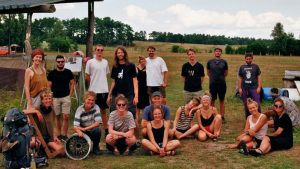
For years, brothers Hauke and Nils Witte have been throwing parties on their parents’ farm. At some point, the idea came to them: Let’s make this a bigger event! And so a festival for everyone was born, one that is still family-oriented, but also not exclusive. Simply organizing a festival somehow isn’t enough. It has to be sustainable. And after corona-related breaks in 2020 and 2021, we’re back this year. With the third round of Callunas. That’s all well and good, but how is this sustainable festival supposed to work? First of all, the bad news: not at all. A completely sustainable festival is not feasible for us, and we don’t know of any other. That’s why we see ourselves as a festival for sustainable development. A festival for a more sustainable society and a festival in a development towards a sustainable existence. But we’re already doing a lot to achieve this. We understand sustainability not only as an ecological term, but also consider the economic, social, and cultural aspects. We want to be a kind of bridge between science and everyday life, between nature conservation and celebration.
To achieve this, we have a number of priorities: education, justice, sustainable consumption and production, protecting terrestrial ecosystems and partnerships that we enter into to achieve our goals.
We offer workshops on nature in the Lüneburg Heath, but also on critical discussion in the context of awareness. We have just laid our own water pipes so that we have to cart less water in and reduce the energy required. We cook exclusively vegan and have built a pizza oven so that we can produce even more food locally and thus also save on packaging. When we ask artists to play with us, we make sure that they do not have to travel unnecessarily long distances and we pay everyone the same – regardless of supposed “size”.
But that alone is not enough, of course. These ideas must also be put into practice within the team. That is why we try to avoid hierarchies as much as possible . With around 30 volunteer organizers, it is clear that there will always be people who are better at or know something than others. But that does not mean that it should stay that way. Rather, situations like this offer the opportunity to share this knowledge or skills within the team . And yet, in the end, decisions often have to be made that particularly affect the Witte family farm. Of course, they are involved in this in a different way than other members.
A sustainable festival – that’s a mammoth task that’s almost impossible to manage. And you have to muster a lot of strength to keep going, even when you realize you can barely live up to your own expectations. Or you simply don’t have the money. And yet: we see that sustainability and celebration aren’t mutually exclusive. They can be combined and can even create new added value together. You can also be part of this, by the way: from August 26th to 28th in Ollsen – either as a guest or a helper . There’s still a lot to do, but we’re really looking forward to celebrating with you this weekend and still thinking about tomorrow.
For more information about the festival, be sure to check out the Calluna website !
By David Nelles and Christian Serrer
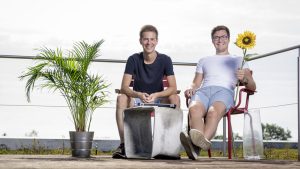
We, David and Christian, are studying economics at Lake Constance. Well, to be honest, only really, because almost five years ago, we wanted to form our own opinion on the often very chaotic debate about climate change. To do so, we were looking for a book that explained the ins and outs of climate change in a clear, scientifically sound way, using concise texts. Since our search was unsuccessful, we decided to write such a book ourselves. At the end of 2018, we published “Small Gases – Big Impact: Climate Change,” a SPIEGEL bestseller and now the best-selling book on the causes and consequences of climate change.
Climate, climate, climate
Firmly rooted in the topic, it has now become a matter close to our hearts to educate people about climate change. Therefore, in recent years we have given numerous lectures to the public, as well as to companies and politicians. To show even more people how climate change can be stopped, we have written a second book about the solution to the climate problem: “Machste dreckig – Machste sauber: Die Klimalösung” (Make It Dirty – Make It Clean: The Climate Solution). We distributed this book through our own publishing house, with whom we had already published the first book. To reach even more people with our content, we launched the YouTube channel “Klima Wandel Dich” (Climate Change Yourself) – this is run by our Association for Climate and Environmental Education (VKUB). In the future, we also plan to support companies, municipalities, and politicians in implementing climate protection measures. With all of our projects, we want to contribute to getting global warming under control and, in particular, motivate people not to bury their heads in the oil sands, but to get to work and be part of the solution themselves.
Climate change is a communication problem
The best ideas are worthless if no one understands them. The same is true of tackling climate change. The knowledge and technologies already exist; the problem lies in the communication between science and society. And this is where we see our task. A professor advised us at the time against writing a book, because everything could be found in the report of the Intergovernmental Panel on Climate Change. We’re glad we didn’t listen. Now, our main task is to make the science of climate protection understandable for our viewers, customers, and discussion partners. To master this mammoth task, we have gradually expanded our team. It now consists of 13 employees. We looked more at who was on the same wavelength as us and pursued the same goals. This was particularly important to us. After all, we currently operate entirely online, regardless of the COVID-19 pandemic. Since we’ve never worked offline, our digital existence works pretty well, because we haven’t had to change or disrupt anything in that sense, except perhaps the Christmas party.
Digitalization remains a double-edged sword
The balancing act of digitalization is currently challenging. Many things are easier, e.g. file management, but many things also take longer, e.g. handing over work materials by post. But one of the most important points is that no video conferencing tool, no whiteboard application or no VR technology can replace personal contact, which is why this is one of the areas that is currently very important to us internally. The result of our work is only as good as the team behind it. That is why we are currently investing a lot of time in developing an optimal compromise between complete digitalization and personal interaction within the team. What we have already found is our common goal: to enable compliance with the Paris Climate Agreement. And to do this, we not only have to have a better understanding of the problem of climate change, but also change the realities of the people who are in a position to act and agree on one thing with them: climate protection is right, possible and time-critical.
To stay up to date, here is a link to the YouTube channel and Instagram page of Klima Wandel Dich, check it out!

By Tom Haverland
From Lüneburg to the wide world – Circular Fashion
You ‘ve probably heard of the giant “plastic carpets” in the oceans. You also probably know that if all these carpets were sewn together, the product would be comparable in size to our continent, Europe. But did you know that plastic carpets only account for 6% of all plastic pollution in the ocean? And did you know that almost a third of the remaining 94% is caused by our clothing?
If that made you gulp like it did me, then you can understand why we founded MANGONUMBERFIVE. We are five friends who believe in one goal: We can ensure that the fashion industry can be transformed from a polluting to a circular one – and we can do it in less than 10 years!
The idea for MANGONUMBERFIVE solidified during the coronavirus year of 2020. Like so many others, we had a lot of time alone with our computers. So our interest in the fashion industry, which initially started out as just a leisure activity, turned into a concrete idea. It became clear to us: We can’t wait any longer! And if the big shots in the industry can’t get it done, then we’ll show you what sustainable textile production looks like!
Entrepreneurship was our way to go, as political decisions on economic restrictions in the interests of climate protection were and still are slow to materialize. Through entrepreneurship, we can demonstrate that the state of the art is ready for circular textile production. We believe that if we prove that our circular clothing is accepted, larger textile production facilities will follow our example.
What does recyclable mean?
MANGONUMBERFIVE relies on the Cradle to Cradle circular economy concept, developed by our university professor Prof. Braungart over 20 years ago. We therefore fundamentally divide production into the technosphere and the biosphere. The former has no natural connection with nature and is therefore 100% recycled and thus kept in the technical cycle. The biosphere, on the other hand, describes all products that are subject to natural wear and tear and thus partially enter nature in an uncontrolled manner, such as our clothing, which sheds fibers in the washing machine. Such fibers must therefore be designed for the biological organism so as not to contribute to pollution. It is important for us to pay attention not only to the materials but also, and above all, to the chemicals used to process the clothing.
Lüneburg – the innovation center?
Cradle to Cradle has already arrived in many industries and at some universities. Leuphana is lagging far behind, especially on the institutional side. But what makes Lüneburg so attractive as a location for Cradle to Cradle? The city of Lüneburg is currently undergoing structural change. At the political level, a new mayor was elected – for the first time in 30 years. The Lüneburg city administration has committed itself to more sustainable public procurement by joining the C2C Network for Regions. Civil society projects have received significant support, such as the Climate Referendum and the Lüneburg Bicycle Referendum. For several years now, the state-funded Lüneburg Future City 2030 project has been an initiative to connect all of Lüneburg’s stakeholders. And last but not least, there is Leuphana University, which promotes a transdisciplinary teaching style and has a human capital of thousands of students. Thanks to Prof. Braungart and other dedicated teachers, as well as contact points like the SCHub, students here have the unique opportunity to start and implement projects and initiatives. Lüneburg is thus developing into a new, emerging ecosystem for circular projects and idea development and, thanks in particular to the Cradle to Cradle community, is making a name for itself as a future epicenter for C2C innovations.
We have the power to change, and the world isn’t waiting for us to get started. So get active – support initiatives, companies, or become founders of social-ecological entrepreneurship yourself. We see MANGONUMBERFIVE as a prime example of how starting a business from university works. If you have any questions, we’d be delighted to help you implement your idea! Just write to us via Instagram or email !
#creatingsynergies
By Linnéa Astrid Haufschild
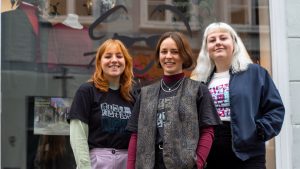
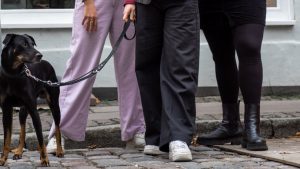
After the vintage shop Socken-in-Sandalen had to close last winter, there’s now a new secondhand shop in Lüneburg’s old town! In the summer, we took over the Socken-in-Sandalen Instagram channel and opened our shop diagonally across the street from the former location in August. We are Linnéa, the owner; Rudi, the dog and namesake; and a dynamic circle of friends. We now also have two employees who diligently support me behind the counter: Jolanthe and Ella.
Our mission is to restore value to forgotten pieces of clothing, thus counteracting consumerism and the throwaway society. Here you’ll find chic pieces that we’ve selected, repaired, or embellished with attention to detail. Whether through care, upcycling, or recycling – every garment gains value and can shine with its former or new splendor. If a piece doesn’t fit perfectly, we’re happy to alter it for you. You can also rent any item from us instead of buying it.
The idea for rudiretro came about at the beginning of the year, quite naturally, at the table in our shared flat, and from then on, everything happened very quickly. I’d dreamed of opening my own vintage boutique for years, but always thought it wasn’t the right time, or rather, the market was already saturated. When I moved from Berlin to Lüneburg—the “sustainable, eco-friendly student town”—at the beginning of the year, I was very surprised that there wasn’t a boutique of the kind I’m familiar with in abundance in Berlin. Since I finished my clothing technology studies this summer and wasn’t really happy working for an agency, I decided to take the risk of opening a store.
From the very beginning, we wanted to not only sell secondhand fashion, but also create a meeting place for people with similar interests and to educate people about sustainable fashion consumption. But how could we reconcile the desire to counteract the throwaway society with the need to sell consumer goods? We decided to offer a rental service alongside our repair and alteration service, similar to those found in larger cities or online. Since October, membership has been available, allowing customers to borrow clothing and, after a certain rental period, even purchase their favorite item at a discount.
Over the years, I’ve realized that many people don’t really understand what goes into a piece of clothing and how many resources are actually consumed in the clothing industry. Fast fashion is developed as a disposable product and used as such by consumers. Starting in 2022, we would therefore like to host workshops, readings, and other events on the topics of fashion, sustainability, and consumption. We are open to ideas and collaborations and are passionate about building a fashion community in Lüneburg. For example, we work closely with linol&stitch, which produces chic upcycled shirts and lino-printed pieces here in Lüneburg. The pieces are sold online and in our store.
I hope our concept can reach a broader cross-section of society and help make secondhand fashion more socially acceptable and locally accessible. For me, besides circular fashion, used clothing is the only sustainable way to consume fashion, as it’s the only way to avoid consuming new resources. I dream of a society in which only what is needed is produced, and resources—both tangible and intangible—are valued with the appreciation they deserve.
You can find more information about rudiretro on the website and on Instagram .